Google no More
For the past year or two, I have been trying to kick my ‘big-tech’ habits, which have formed over more than 25 years online. By ‘big-tech’ I mean ‘big technologies’, those American corporate behemoths that have captured our online activity and attention and become ubiquitous across our friends and families. Literally everyone uses them, and only them. In many cases these technologies provide(d) fair services (or at least free), in exchange for just a little piece of my digital identity. Just a little piece of me. In this post, I am focusing mostly on my use of the Google suite of tools and how much of myself I have committed to that company over the years. Also, why I got out.
21 years ago, I declared (on this blog as it happens) to be a “Google whore’. Terrible title, I regret it, but I was ‘enthusiastically cheerleading’ a new RSS technology service, “Google Reader” which allowed you to follow news or other blog feeds. You could curate your own sources into a single feed. Everyone is so familiar with the concept of a feed today, but back then, it seemed shiny and new. What I remember being so enamoured with was the idea that you could build a feed yourself.
Years passed, and I grew increasingly reliant on so many google services. Email, contacts, photos, calendar, documents and maps, all of which for no financial cost. I thought it was an amazing time to be alive, and after a while, I didn’t think about it much at all; it was just there. As my data accumulated, across multiple accounts for so many years, all stored in the cloud, accessible, searchable, all for free, I lost sight of the fact that there actually were underlying costs, and believing in the value of these free tools was increasingly difficult. Since then, the value of my personal data has increased significantly. The agreement to use free services in exchange for personal information has become increasingly shitty.
A fantastic podcast on how the internet has gotten so shitty, you have to check out WHO BROKE THE INTERNET? On CBC radio, from the guy who literally wrote the book on enshittification. In other countries, like specifically here in Norway, new services and a new way of thinking about the value of our personal information have emerged.
For me, the point is clear: you get what you pay for. And if you aren’t paying with your dollars, the costs will be much higher. A point for another time, but this is why I made the move to pay for my email. I don’t want to get into a big promotion of other tech platforms at this time (there will be a list at the bottom of this post); there are many options out there. For me, the criteria were to have no ads and not american-based. It was a challenge to choose one, but believe me, they are out there. The move was not without its challenges. Getting in touch with my contacts, having them update my email, resubscribing to all the newsletters and subscription services, downloading 14 years’ worth of photos, and uploading them to my new, private cloud storage. As I was sifting through old emails, deleting my accounts and my history, it felt a bit like I was losing a little piece of myself. It took a while, and I would say I am only about 95% complete. It feels great.
Where are all the Canadian services at eh? In 2026, I have become increasingly motivated to untangle myself from the web of american-controlled internet access, to “resist and unsubscribe“. Google was just the beginning. The term “techno-fascism” (and its alignment with the extreme political right) has been gaining traction, particularly techno-fascism and the rise of A.I. highlighting the importance of our national digital sovereignty. A Canadian digital sovereignty.
If you are Canadian, take nothing more from this post than checking out “Canada’s Digital Sovereignty Charter“, and consider signing it.
We have choices as consumers, as producers and as citizens. For too long we have become entrenched in using the big-tech platforms, thrown our hands up and given up looking for or demanding better services, that serve us.
Before I wrap this up, I wanted to share a list. A summary what I have accomplished this past year. The effort is ongoing, but I am pleased with my results so far. I was planning to dive into some of Canadian social media services that are popping up on the scene but will have to save that for another post. You can read a more comprehensive list on this topic with even more alternatives here, Getting off US tech: a guide, from the disconnect blog.
Here is my wrapup of of my “google no more” activities, and a few others that have been clipped along the way.
Google no more
- Stopped “googling”, ie using the google search engine. There are options. Right now I’m using Duck duck go but there are other options. A Canadian specific one getting some buzz is Xonaly, worth looking into.
- Uninstalled and stopped using Chrome browser. Firefox is holding its own at this point.
- Gmail no more! Couldnt be happier with my new Proton Mail account. It’s truly remarkable being able to read my email without advertising. A deal at twice the price!
- Moved 14 years’ worth of photos off of google photos. I admit I will miss the “10 years ago” or “Revisit your snow time” updates that would flash across my eyeballs.
- Deleted multiple and redundant and google accounts, (still more to go).
U.S.-tech no more roundup
- Stopped posting art and creative works on Instagram
- Deleted redundant and outdated Meta accounts
- Uninstalled FB Messenger
- Set up a Signal account for chat
- Cancelled my Disney+ subscription
- Deleted my Spotify account in favour of Qobuz
- Deleted my Amazon account
- Deleted my PayPal account
- Deleted my ChatGPT account
In researching this post, I realize I am late to the party, and many others have been sounding the alarm for a very long time. I’m a bit embarrased its taken me this long to take action honestly . I wanted to shout out to Aral Balkan, who made a relevant post 10 years ago, “We didnt lose control, it was stolen” and which provided the featured image for this post.
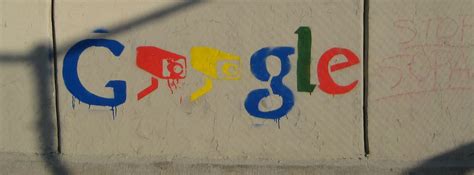
Photo credit: Jeff Roberts
Impressive my friend. I’ve been mulling some, and then stopping at the scale of change. Photos are no problem, my approach has always been local storage/organization first.
Curious to hear more about the email migration steps to proton, and which plan did you go with? Unlimited with all the services? And do you have to archive all the gmail, what exactly do you do with it? Do you transfer contacts?